Kashi is famous throughout the world as the sacred city of Lord Shiva, but the ancient tradition also remembers it as Vishnupuri — the sacred city of Lord Vishnu.
ॐ नमो नारायणाय | The Sacred Vishnu Pilgrimage of Kashi
According to the tradition preserved in the source text, Kashi is both a Vaishnava Kshetra and a Shaiva Kshetra — a sacred realm associated with both Lord Vishnu and Lord Shiva.
According to the Narada Purana tradition described in the source, Kashi was originally regarded as the city of Vishnu. Lord Shiva requested this sacred city from Lord Vishnu and established his eternal presence here.
Thus, Kashi is not understood only as a Shaiva city. It is also described as a sacred Vaishnava realm capable of granting liberation.
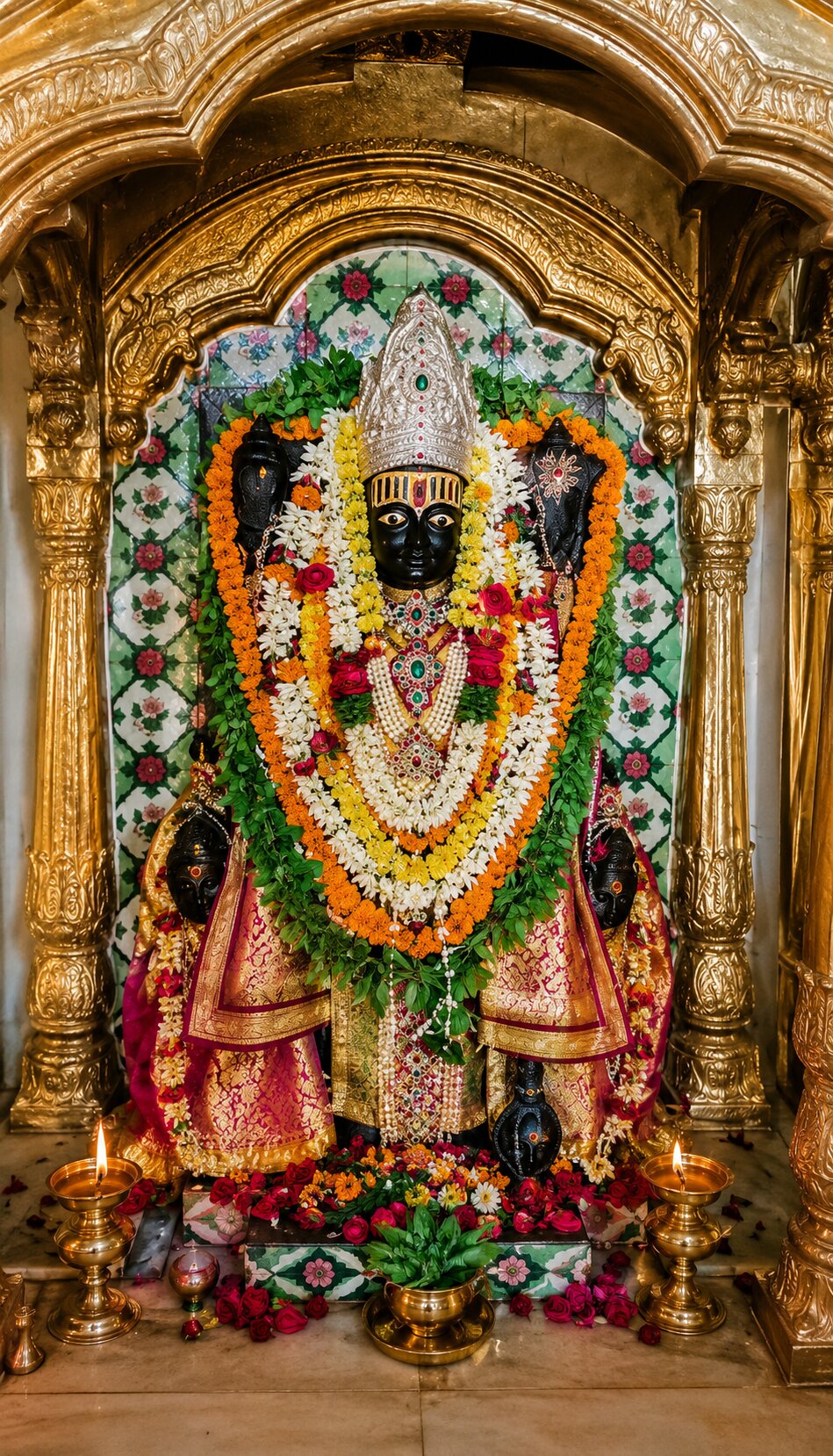
📍 Near Varuna Sangam / Adikeshava Ghat, Kashi
According to the source tradition, Lord Vishnu came to Kashi in connection with the story of King Divodasa. After accomplishing his purpose, Vishnu established himself near the sacred Varuna Sangam in the form of Adikeshava.
The source identifies Adikeshava as an ancient and highly important Vaishnava shrine and associates its worship with freedom from suffering and the attainment of Moksha.
Spiritual Importance:
Darshan and worship of Adikeshava are traditionally associated with relief from worldly suffering and the path toward liberation.
📍 Panchaganga Ghat, Kashi
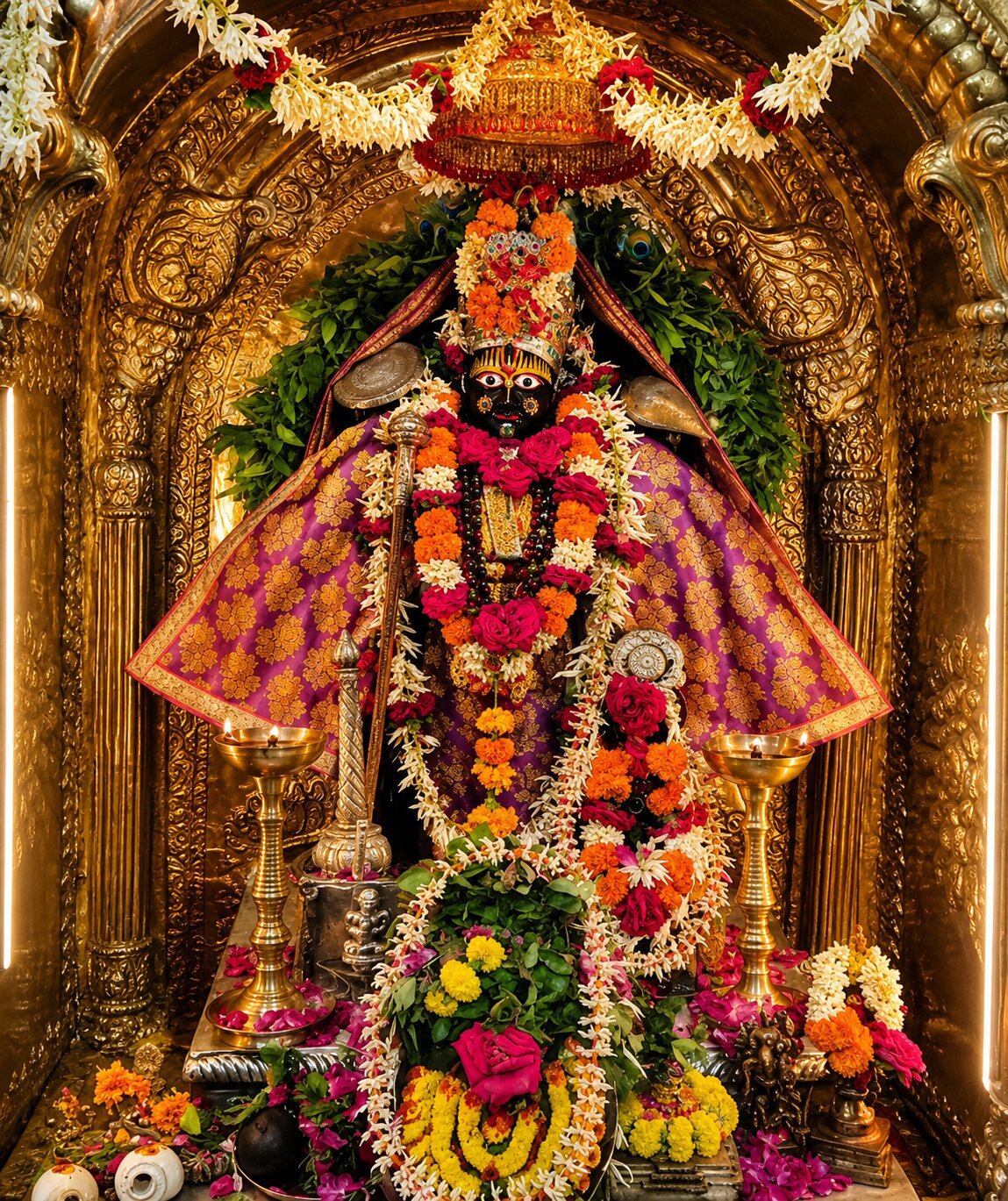
Panchanada, now associated with Panchaganga, is one of the great pilgrimage areas of Kashi. According to the story in the source, Lord Vishnu reached this sacred place after establishing Adikeshava.
The sage Agnibindu was performing intense penance there. When he received the vision of Lord Madhava, he praised the Lord with deep devotion. Vishnu then combined his name with the devotee's name and became known as Bindu Madhava.
The source also gives different traditional names for this deity in the four Yugas: Adi-Madhava, Ananta-Madhava, Shri-Madhava and Bindu-Madhava.
Traditional sacred locations of Lord Vishnu in the Madhava form.
Associated with Panchaganga Ghat. The source also records other locations of Bindu Madhav traditions in Bhat ki Gali, Brahma Ghat and Buchaitola near Lal Ghat.
📍 Rajmandir area.
📍 Small shrine at Sheetla Ghat.
📍 Pancho Pandav Temple near Gyanvapi.
📍 Hanuman Temple at Mir Ghat, near Vishalakshi.
📍 Above Dashashwamedh Ghat.
📍 Above Scindia Ghat.
📍 Outer wall niche of Atmavireshwar Temple.
📍 Behind Kath ki Haveli.
Mentioned in historical Gahadavala records; the source describes the present shrine as lost or no longer identifiable.
📍 Near Varuna Sangam Ghat.
📍 Near Adi Keshav Temple.
📍 Near Adi Keshav; recorded as lost.
📍 Prahlad Ghat; recorded as lost.
📍 Prahlad Ghat area.
📍 Near Adi Keshav; recorded as lost.
📍 Nandufadiya near Gola Ghat.
Traditional site near Adi Keshav; another form recorded as Madhusudan near Trilochan.
📍 Bhadaini, near Sri Maa Anandamayi Hospital.
📍 Vriddhakal, within Mrityunjaya Mahadev premises.
📍 Bhadaini near Lolarka; another tradition south of Vriddhakal.
📍 Bandidevi Temple above Dashashwamedh and Vriddhakal tradition.
📍 Ancient Gangamahal Ghat tradition; current location recorded at Lalita Ghat.
📍 Above Nar-Narayan Tirth at Mehta Ghat.
📍 Gauri-Shankar Mahadev Temple at Lal Ghat.
The Narasimha shrines represent different sacred manifestations of Lord Vishnu's man-lion incarnation.
📍 Above Prahlad Ghat.
📍 Rajmandir.
📍 South of Pulastishwar; historical/lost location.
📍 Current tradition inside Kameshwar Mahadev compound.
📍 Presently recorded near Assi Ghat inside Jagannath Temple.
📍 Near Dehli Vinayaka.
📍 Sheetla Gali, west of Pitamaheshwar.
📍 West of Kalasheshwar near Gomath.
📍 Kotwa village near Kapildhara.
📍 Near Gomath.
📍 Inside Kedarishwar Temple.
📍 Above Durga Ghat / Brahmacharini Durga Mandir tradition.
Traditional site east of Omkareshwar; current tradition inside Kameshwar Mahadev compound.
📍 South wall outside the Neelkanth Temple lane.
📍 Above Dashashwamedh Ghat near Prayag Madhav.
📍 Directly above Dashashwamedh Ghat.
📍 Siddheshwari Temple complex.
The source records the present geographical location as unknown.
📍 West of Varuna Sangam near Ananteshwar.
The exact present location is not documented in the source.
📍 Northern side inside the Trilochan enclosure.
📍 Northern compound near Adikeshava.
South of Dattatreyashwar near Narad Ghat. The source records this specific shrine as lost over time.
Traditionally associated with the Mukti Mandapa of the ancient Vishwanath Temple and another location with Mahalakshmi in the southwest corner of the present Vishwanath Temple complex.
📍 North of Lakshmi Kund, inside Tripathi Bhavan.
📍 Tulsi Ghat.
📍 Baradeo locality, near Tryambakeshwar.
📍 Pavneshwar Temple at Saptasagar.
The source describes three Vishnu forms representing the sacred phonetic divisions of the syllable AUM — A, U and M.
These three forms provide a symbolic sacred journey through the sound of Om. The pilgrimage connects Adikeshava, Bindu Madhava and Bhogashayan Vishnu as three important manifestations of Vishnu within the spiritual geography of Kashi.
For the website, this section can later be expanded with a dedicated pilgrimage map showing the three sacred locations and walking routes between them.
The source records three sacred Vishnu images associated with the Sheshashayi or reclining Vishnu tradition.
📍 Alley near Mangla Gauri
An ancient Vishnu image associated with the sacred tradition of Lord Vishnu reclining upon Shesha.
📍 Near the steps of Panchaganga Ghat
The source describes a larger Sheshashayi Vishnu idol inside a small shrine near the Panchaganga steps.
📍 Near the steps of Lalita Ghat
A smaller Sheshashayi Vishnu image located inside a small shrine near Lalita Ghat.
The structure of this page follows the uploaded source material, which discusses Kashi as Vishnupuri, the importance of Adikeshava and Bindu Madhava, and lists the Madhava, Keshava, Narasimha, Varaha, Vamana and other Vishnu shrines.
The source also cites traditions connected with the Narada Purana and the Kashi Khanda, including references for several Vishnu and Narasimha shrines.