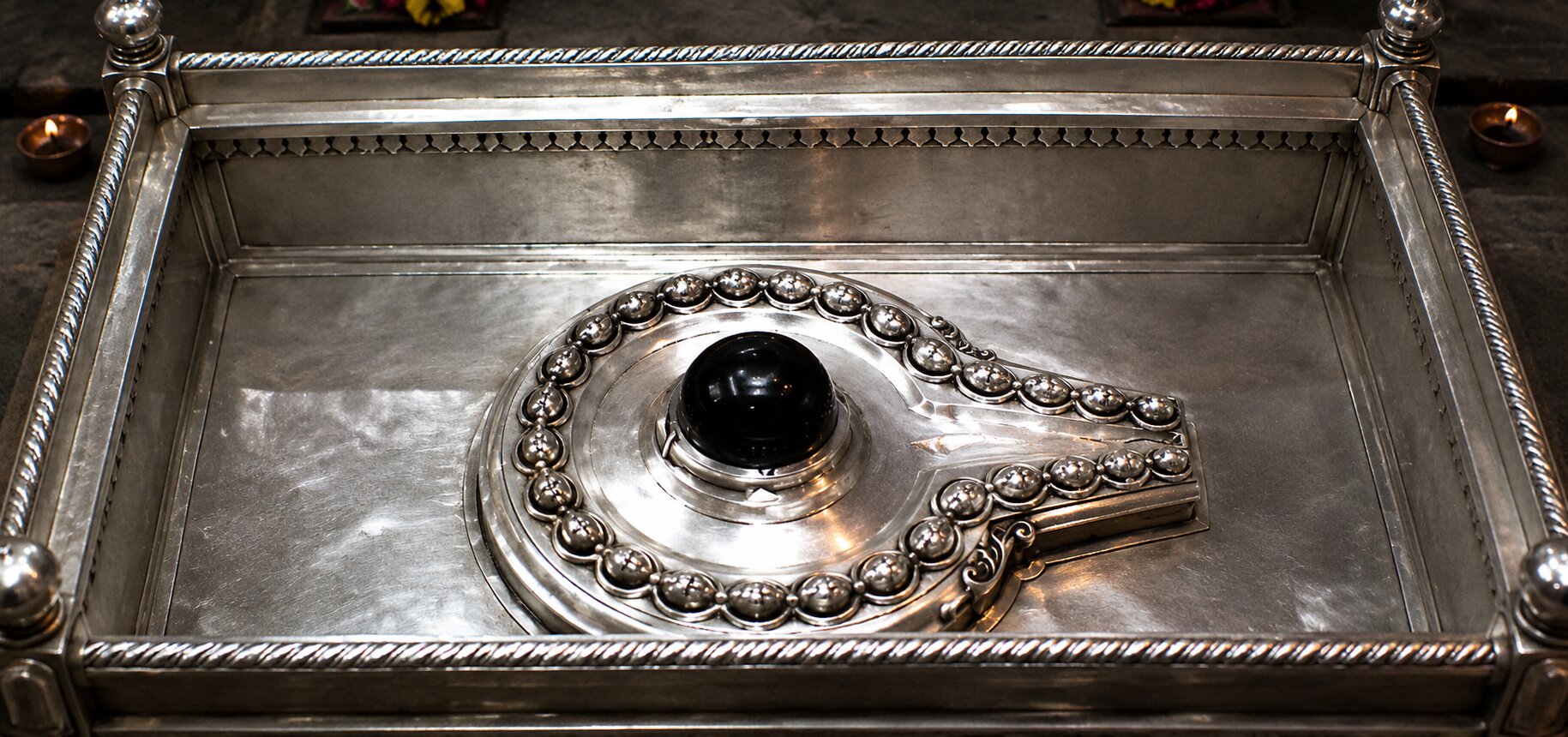
Kashi
The sacred name, tied to Shiva, pilgrimage, temple bells, sunrise rituals, and the belief that the city is a place of liberation.
Kashi / Banaras / Varanasi
A detailed city guide for sacred ghats, old-lane walks, silk sarees, wooden toys, local food, hidden corners, stays from luxury to budget, and practical ways to reach the spiritual capital of India.
Why Banaras Feels Different
People come to Varanasi for darshan, rituals, learning, music, food, shopping, photography, family memories, and the feeling of standing inside one of the oldest living sacred cities in the world.
The sacred name, tied to Shiva, pilgrimage, temple bells, sunrise rituals, and the belief that the city is a place of liberation.
The lived city of music, paan, silk weaving, narrow gallis, boatmen, akharas, street snacks, and old-world hospitality.
The modern travel hub with airport, rail links, hotels, cafes, universities, museums, heritage walks, and quick access to Sarnath.
Spiritual and Religious Importance
Varanasi is not only a tourist destination. For many visitors it is a pilgrimage, a place for prayer, learning, remembrance, and a deeper connection with the Ganga and Lord Shiva.
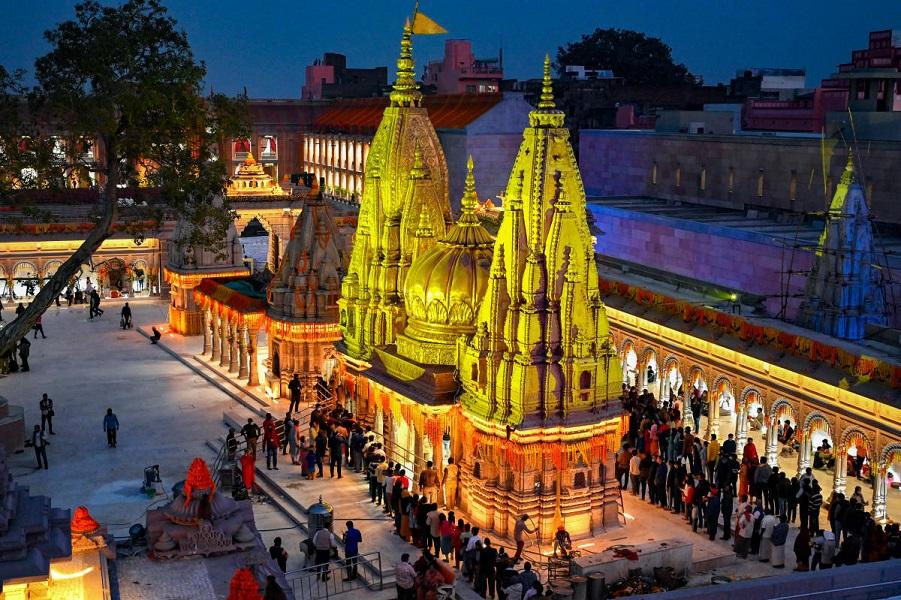
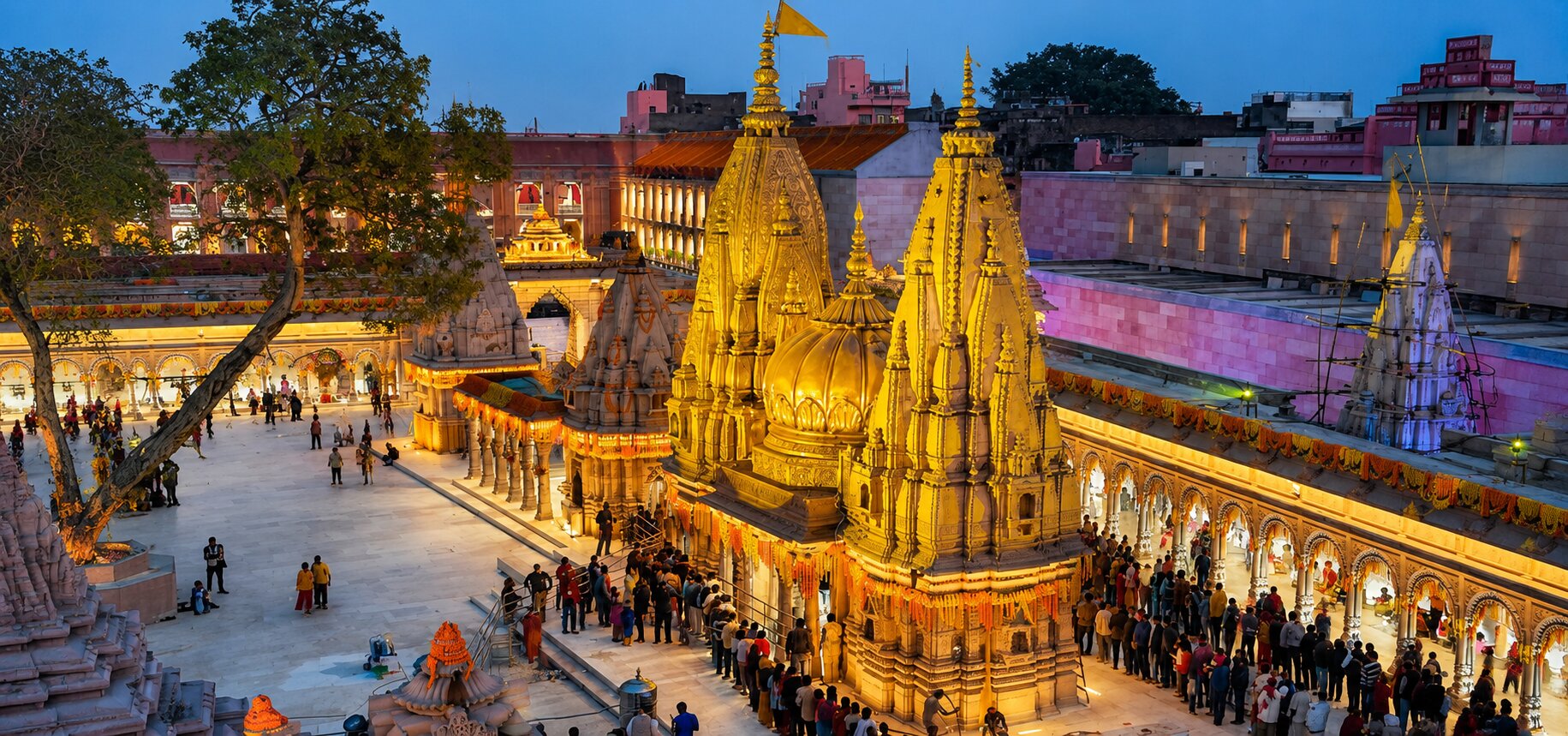
Kashi is closely associated with Lord Shiva, and Kashi Vishwanath Temple is the heart of the pilgrimage. Devotees visit for darshan, blessings, Rudrabhishek, and the belief that Kashi is a place of divine light and liberation.
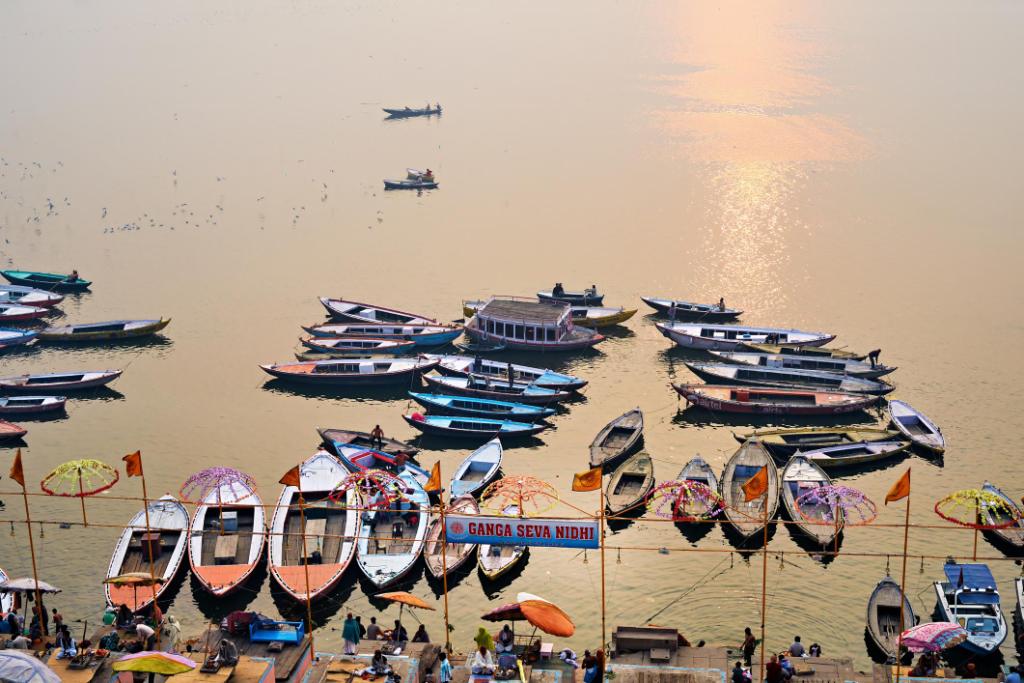
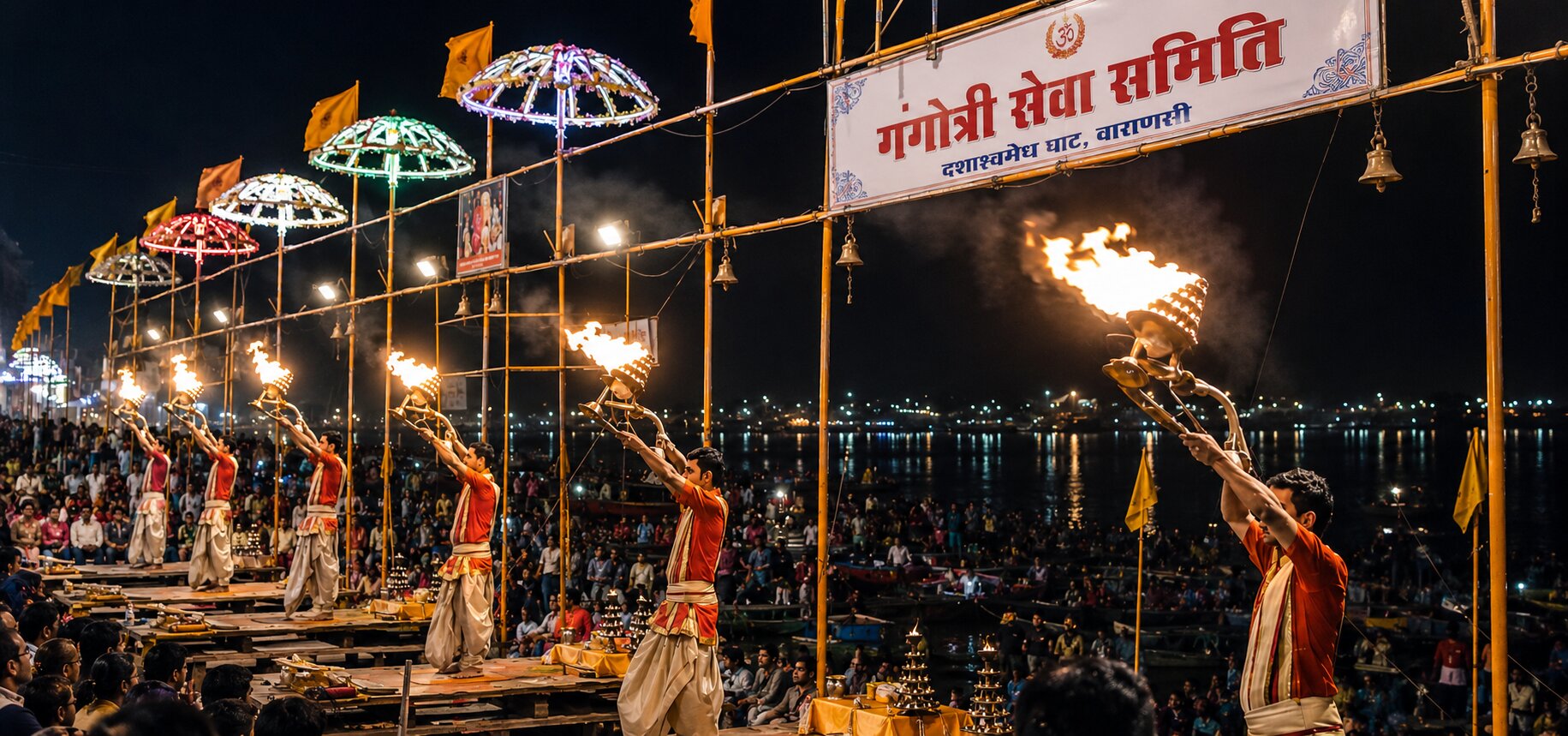
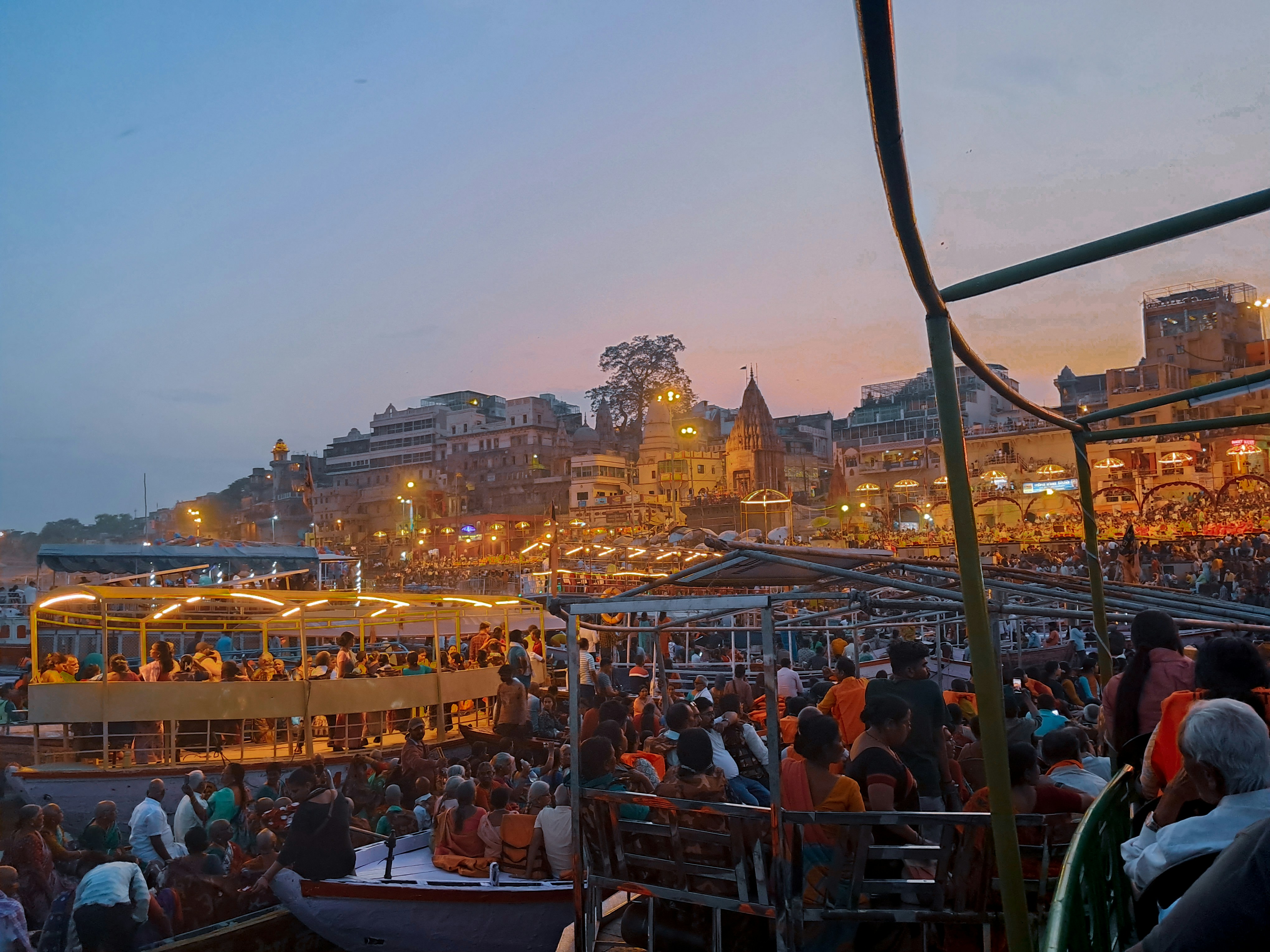
The Ganga is central to Varanasi's spiritual life. Pilgrims take a holy dip, offer flowers and lamps, perform morning prayers, and attend the evening Ganga Aarti as a public expression of devotion.
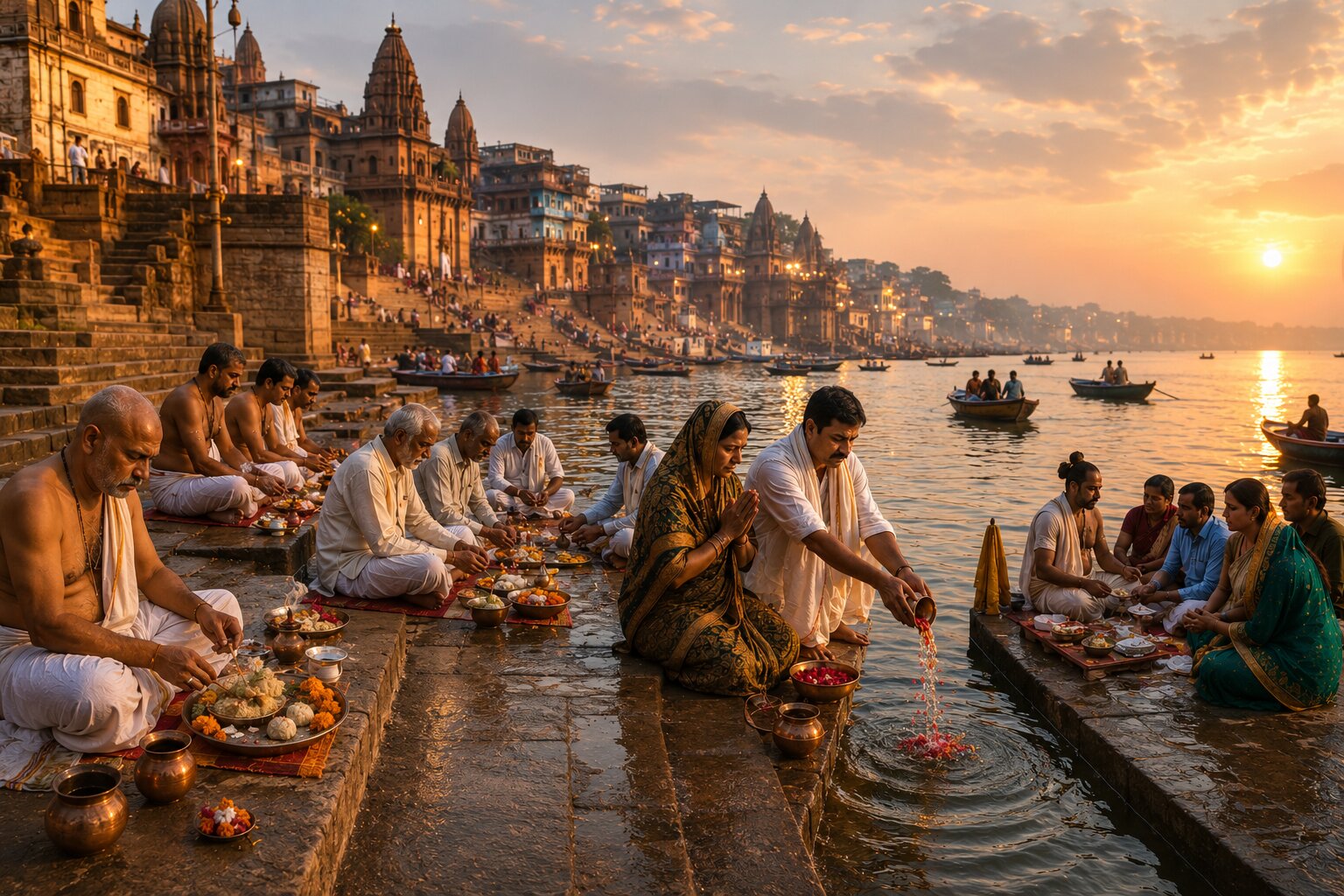
Many families come for pind daan, shraddh, asthi visarjan, and other rites for loved ones. The city is deeply connected with the Hindu belief in moksha, the release from the cycle of birth and death.
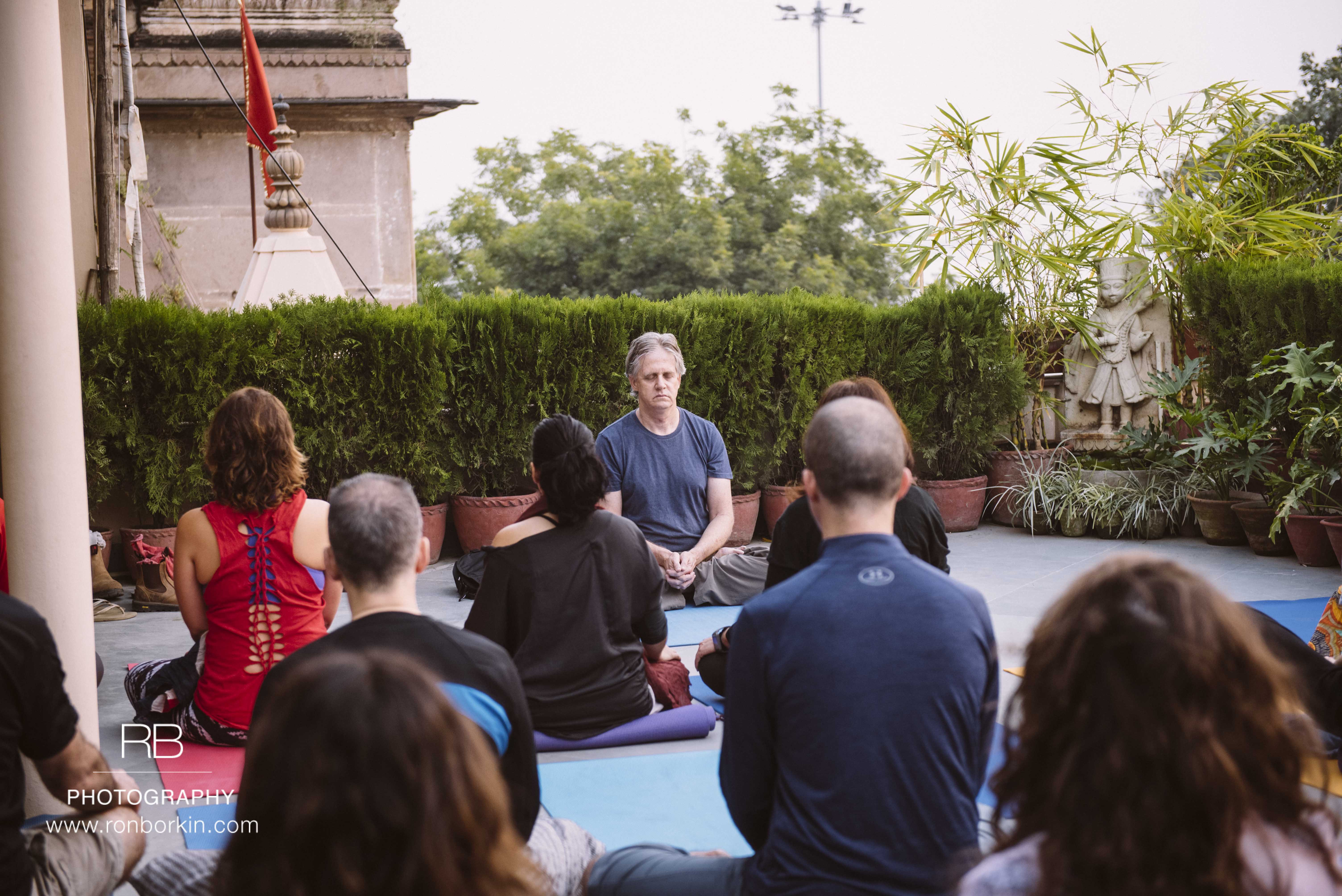
Visitors also come to meet priests, teachers, saints, yoga practitioners, and musicians. The lanes around the ghats carry centuries of Sanskrit learning, classical music, meditation, and temple tradition.
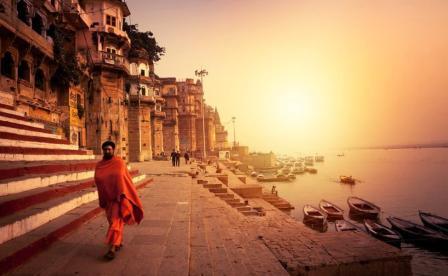
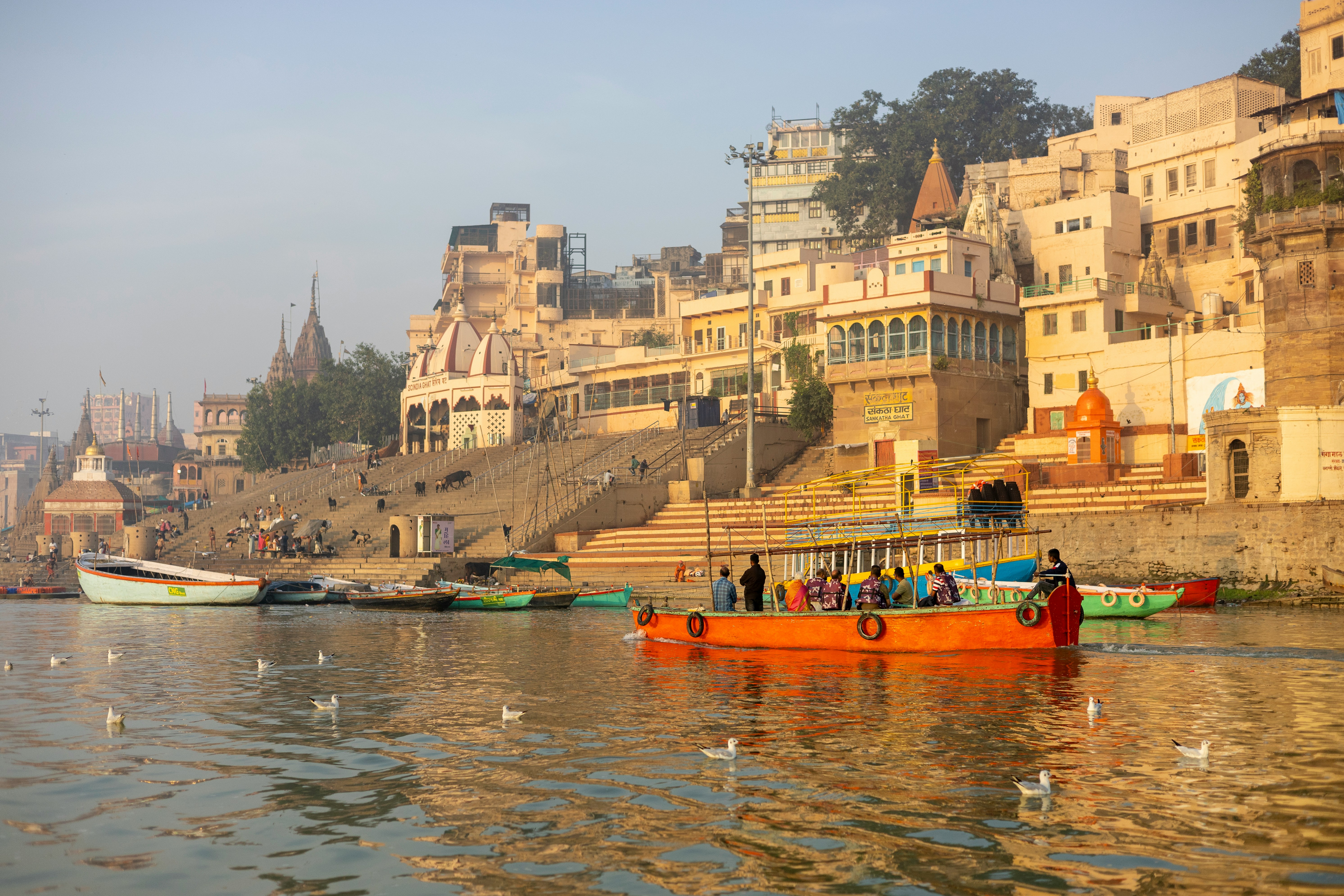
The Ghats of Varanasi form a mesmerizing, 6.8-kilometer crescent of stone steps along the western bank of the sacred Ganga River. Serving as the literal and spiritual heart of Varanasi (Kashi/Banaras)—one of the world's oldest continuously inhabited cities— these 88 ghats are where the daily rhythms of life, deep devotion, and eternity uniquely intertwine.
Famous Locations
Start with the riverfront and old city, including Manikarnika Ghat and Harishchandra Ghat, then add Sarnath and Ramnagar Fort for a fuller view of Varanasi's Hindu, Buddhist, royal, and craft traditions.
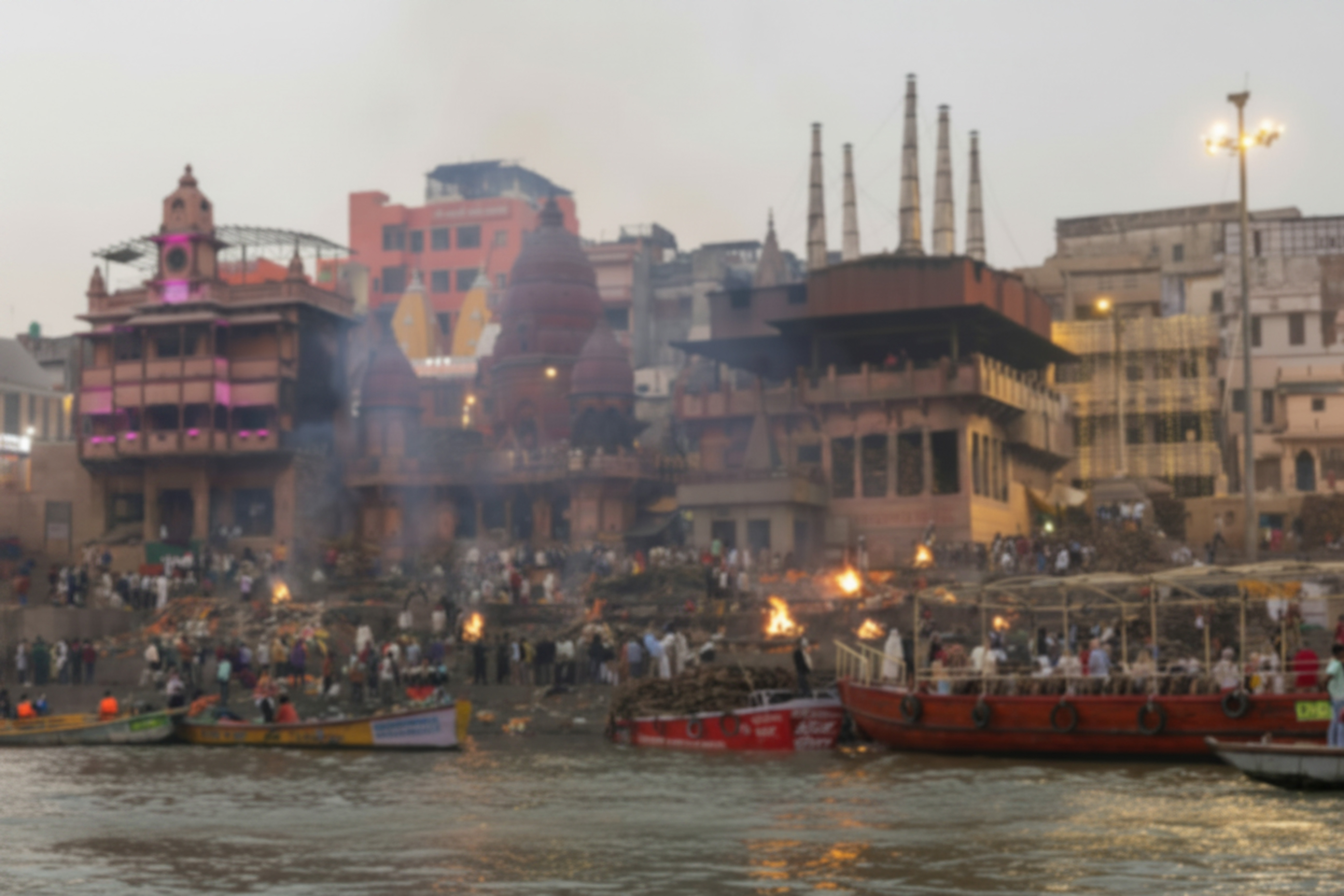
Manikarnika Ghat is one of the most sacred places in Kashi and is deeply connected with the Hindu belief in moksha. It is an active cremation ghat where final rites continue day and night beside the Ganga.
Harishchandra Ghat is another important cremation ghat, named after the truthful King Harishchandra. It is quieter but carries the same spiritual weight.
Note: Visit these ghats with silence and respect. Avoid photography of ceremonies completely.
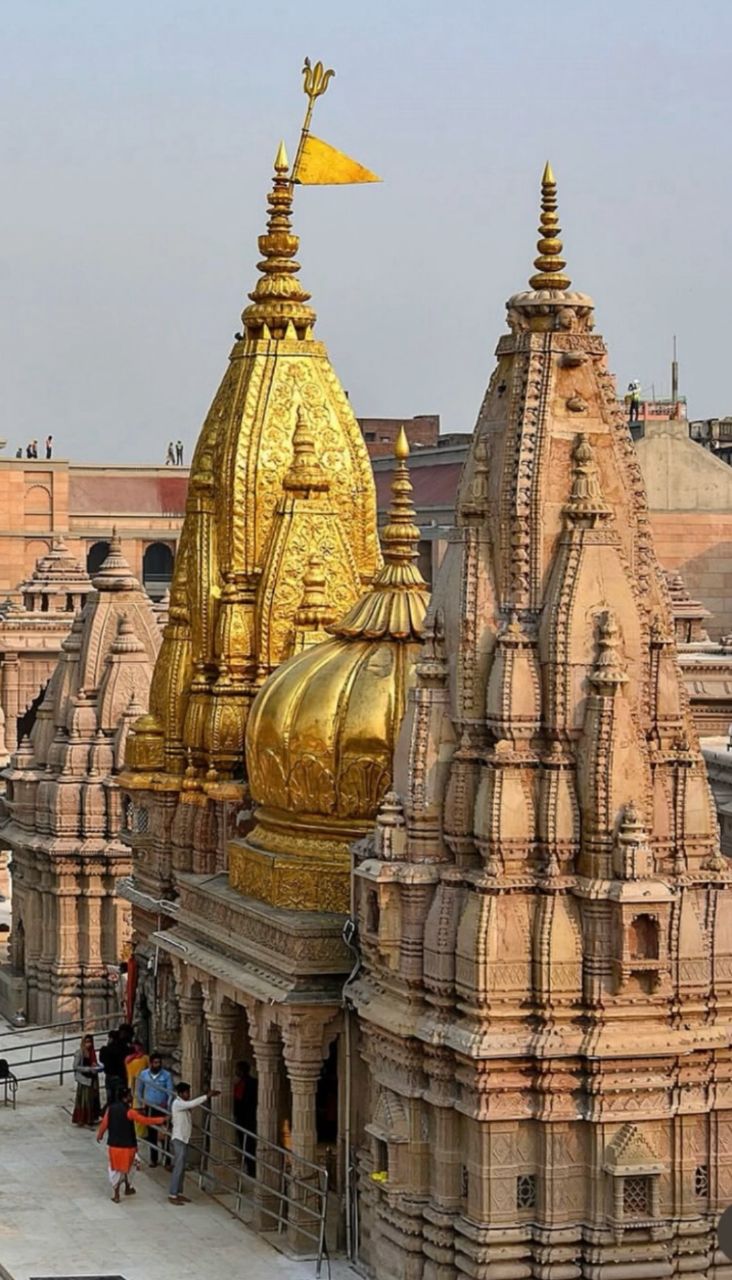
One of the most important Shiva temples in India. Go early, carry minimal items, dress respectfully, and expect security checks and festival crowds. It stands as the heart of the ancient city of Kashi and is dedicated to Lord Shiva, worshipped here as Vishwanath ("Lord of the Universe"). It is celebrated as the foremost of the twelve Jyotirlingas.
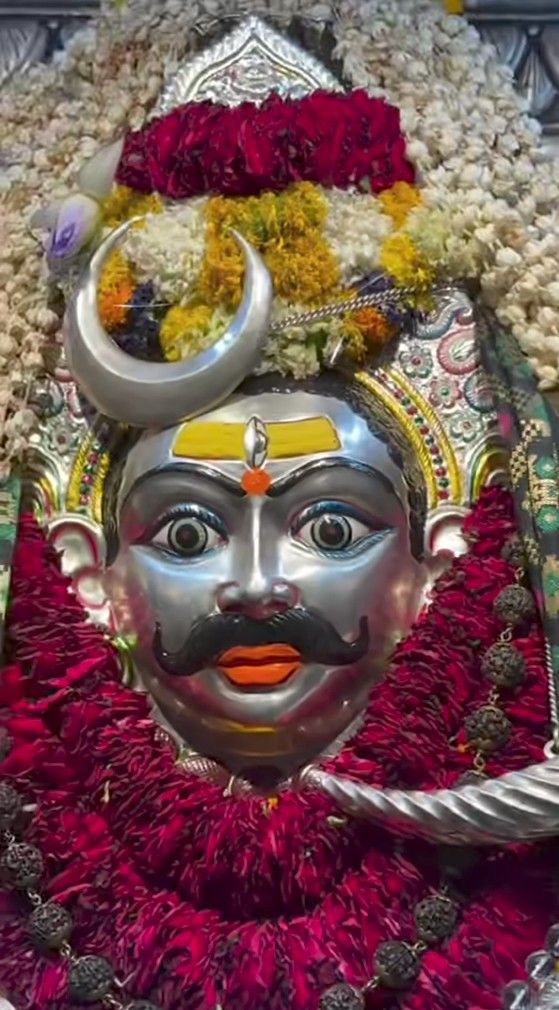
Dedicated to Kaal Bhairav, a fierce form of Lord Shiva. Many devotees believe a visit to Varanasi is incomplete without seeking blessings from the city's cosmic guardian. He is revered as the Kotwal (Cosmic Police Chief/Guardian Deity) of Kashi.
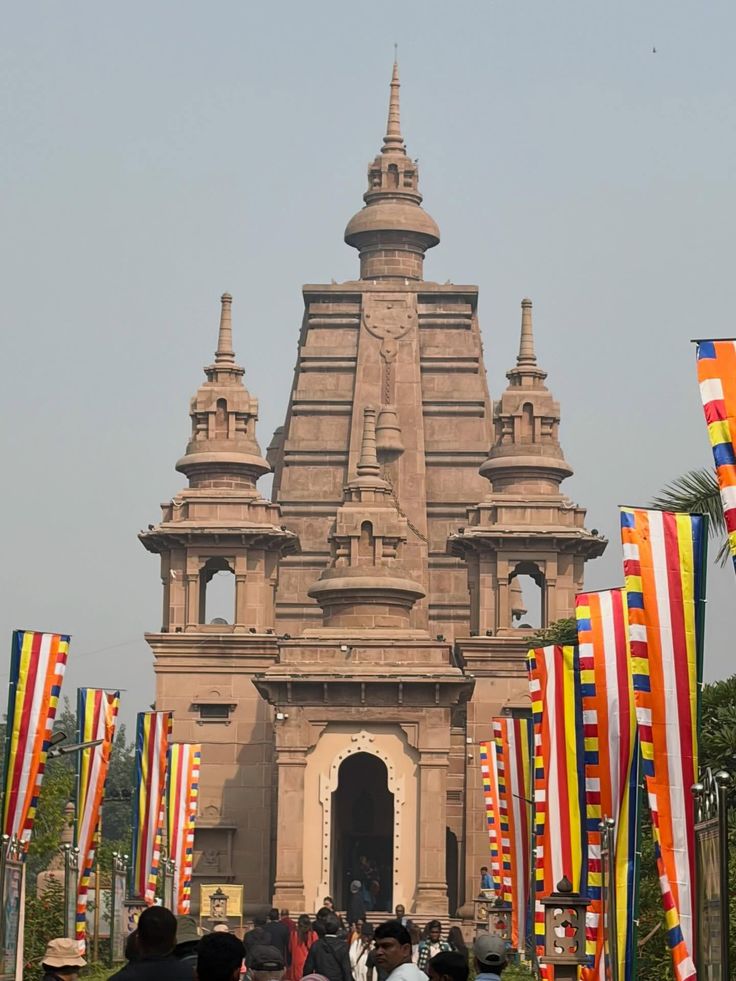
A peaceful Buddhist site about 10 km from the city, known for Dhamek Stupa, monasteries, the museum area, and quieter lawns after the old city rush.
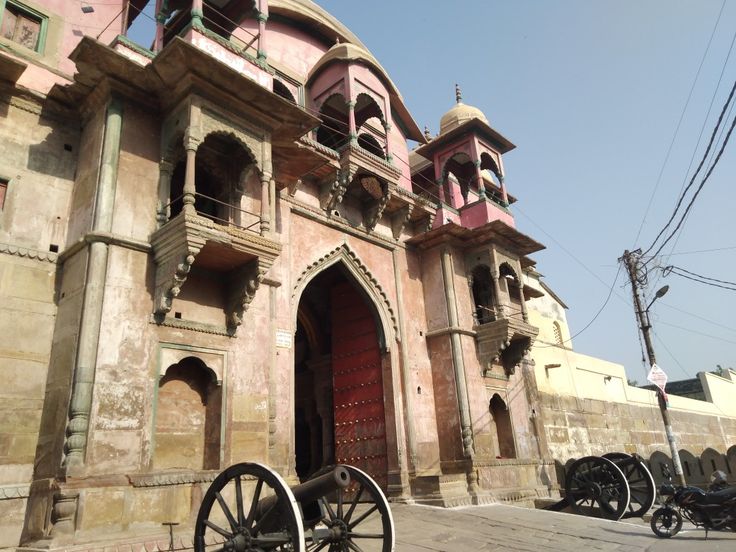
A sandstone fort across the Ganga, built in the 18th century, with river views, courtyards, and a museum-style royal collection.
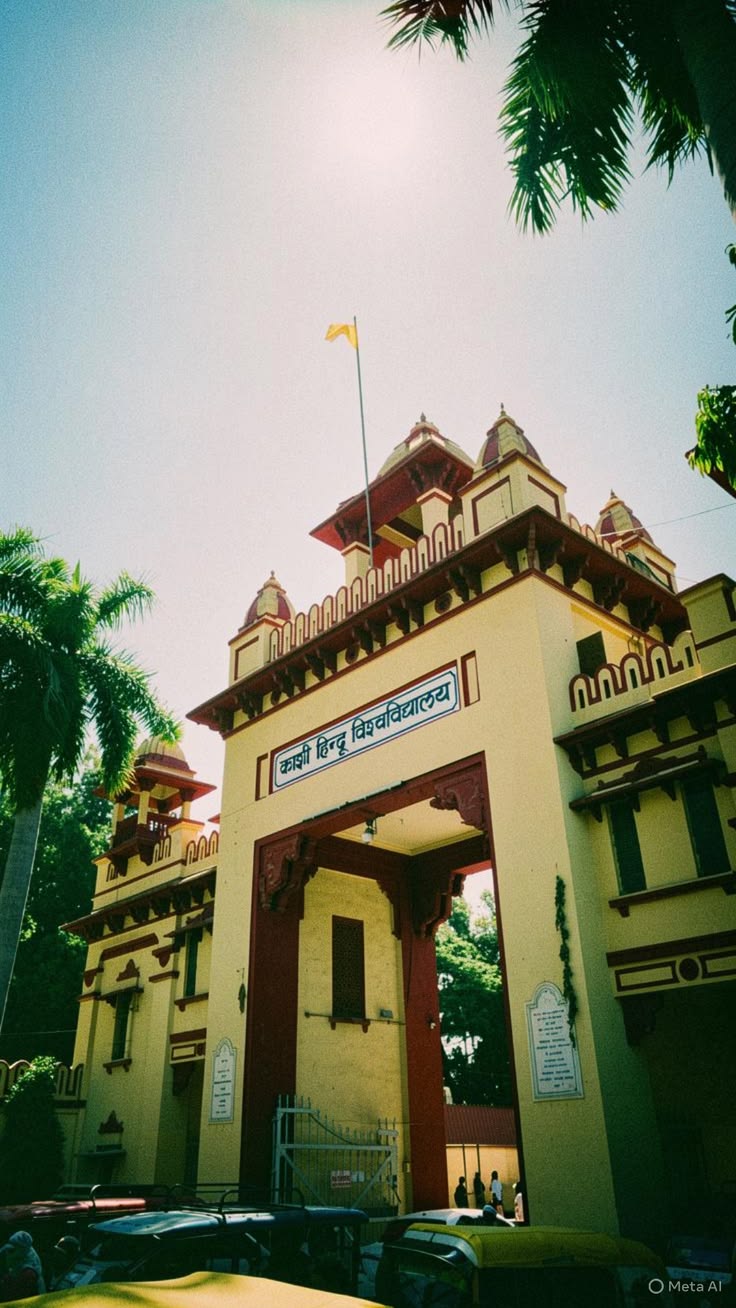
A wider, calmer campus visit with the tall Birla temple, tree-lined roads, and a welcome break from the dense old-city lanes.
Attraction Points
Beyond the monuments, Varanasi is about immersive moments. Make sure to weave these essential experiences into your daily itinerary.
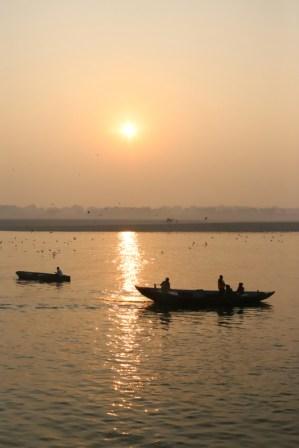
Best from Assi or Dashashwamedh. Start before sunrise for soft light, peaceful river views, and cooler morning air.
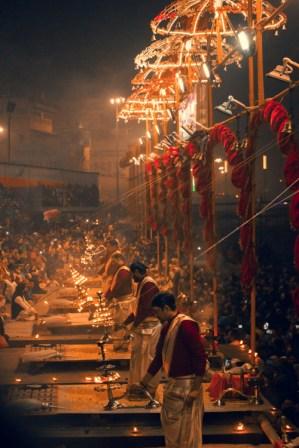
Arrive early at Dashashwamedh for the grandest scale, or choose Assi Ghat for a slightly more open and artistic viewing experience.
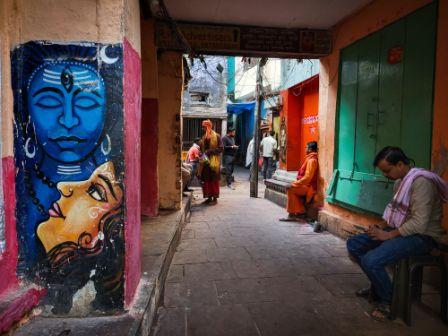
Explore the labyrinth of Vishwanath Gali, Thatheri Bazaar, Bengali Tola, and hidden small shrines with a local guide.
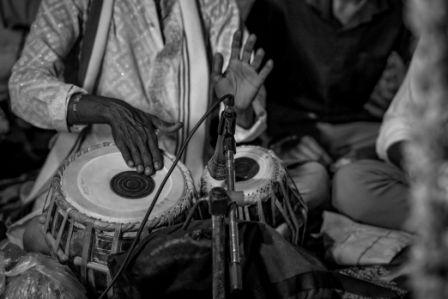
Look for classical music evenings, morning raga sessions at the ghats, and intimate cultural venues hidden near the riverfront.
Sacred Circuits
There are established traditions for performing the Samanya-darshan (general viewing), Nitya-darshan (daily viewing), Antarvedi Parikrama (inner-circuit circumambulation), and Panchakroshi Parikrama (outer-circuit circumambulation) of the temples in Kashi, which hold immense significance from a spiritual perspective. Discover the divine pilgrimage circuits that define the sacred geography of Kashi.
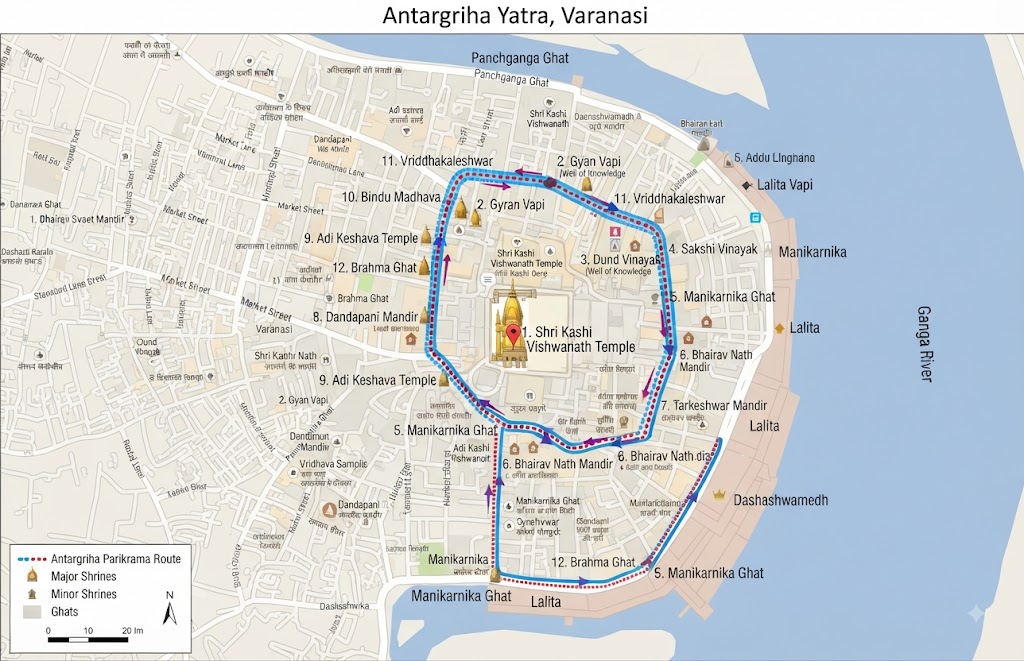
The sacred inner circumambulation around the central core of Kashi. It traverses the innermost sanctums and primary Khandic circuits—including Vishweshwar, Kedareshwar, and Omkareshwar—connecting vital ritual spots like Manikarnika Ghat and Gyanavapi.
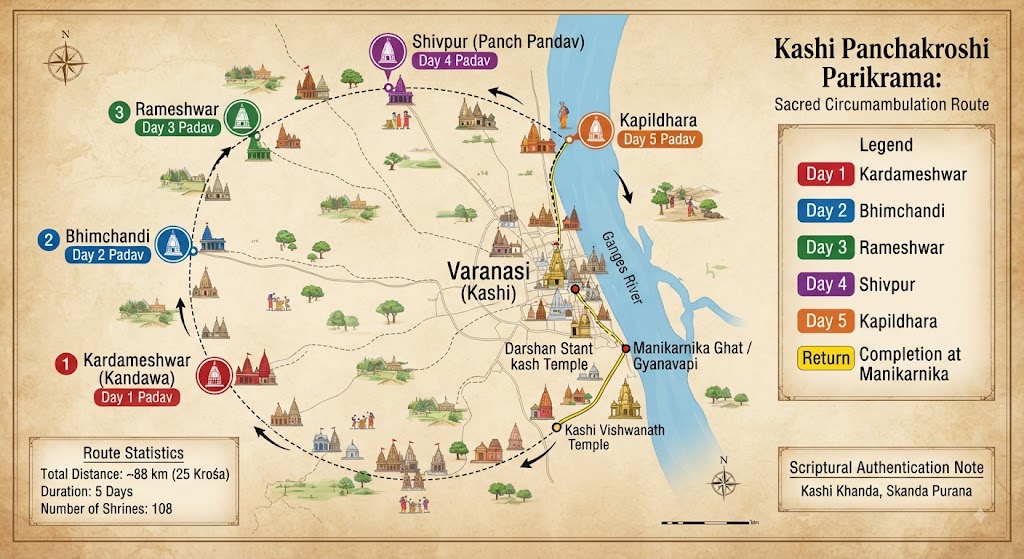
The revered outer pilgrimage circuit covering a distance of roughly fifty miles in a wide sacred circle around the holy city. It links numerous traditional resting points, temples, and mythological milestones across the broader perimeter of Varanasi.
Sacred Geography of Kashi
Kashi is believed to be seated on the trident of Lord Shiva. Explore the profound spiritual categories that structure the divine landscape of Varanasi, from singular lingatmak forms to prominent sacred water tanks.
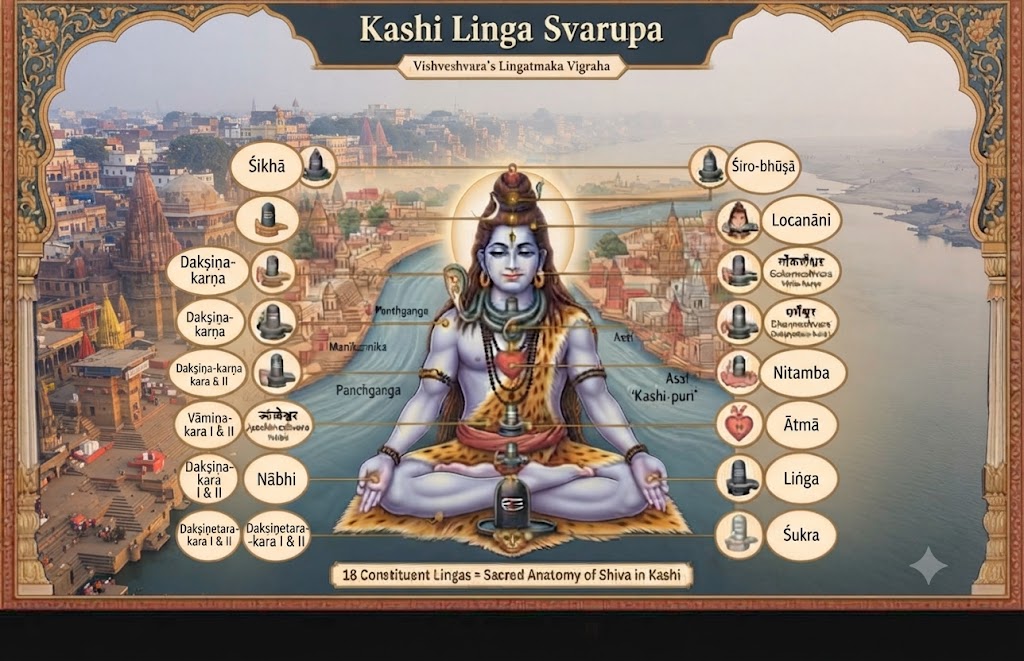
The foundational form of Lord Shiva as Vishveshwar in Kashi. The sacred jyotirlinga represents the supreme cosmic light (Jyoti) that pierces through the earth and heavens, serving as the spiritual axis around which the entire holy city revolves. In the tradition of the Kashi Khanda (specifically verses 33.167–173), the entire sacred geography and layout of Kashi is envisioned as the cosmic body of Lord Shiva (Lingatmaka Vigraha). Specific shrines and Shiva lingas across the city represent different parts of His divine anatomy.
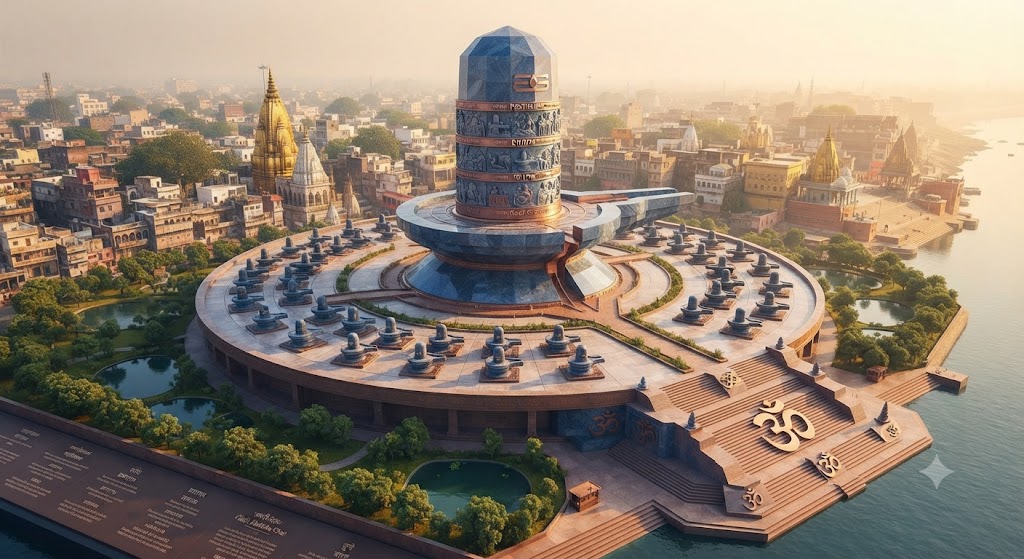
Kashi is home to numerous revered shrines spread across its sacred zones. Among them, the 42 principal (Pramukh) Shiva Lingas hold supreme scriptural significance, each representing different aspects of cosmic energy, protection, and liberation.
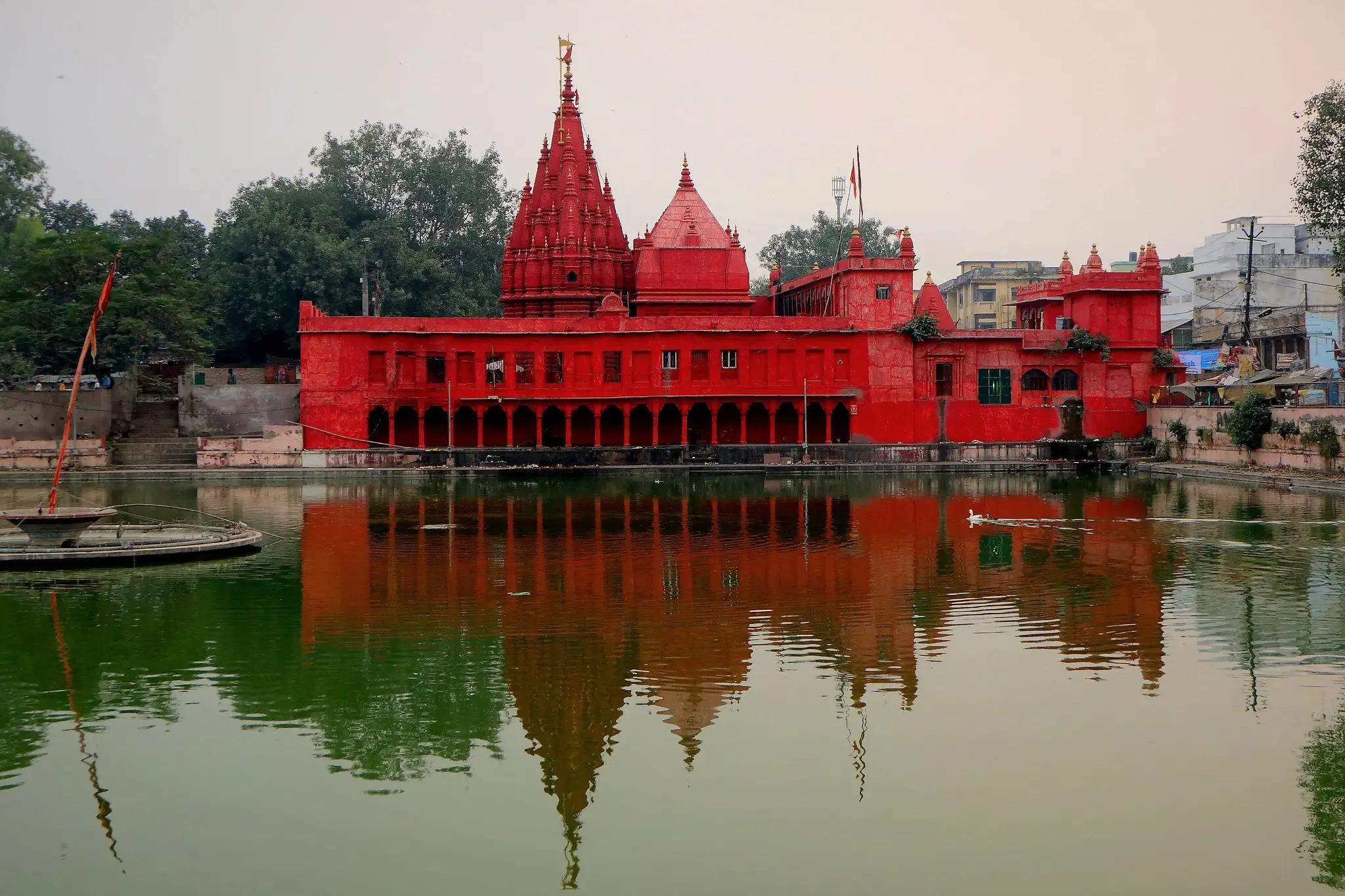
Ancient water reservoirs and tanks (Kunds) like the Manikarnika Kund, Gyanvapi, and Suraj Kund are intricately tied to temple traditions. Bathing or offering prayers here cleanses spiritual impurities and completes sacred ritual obligations.
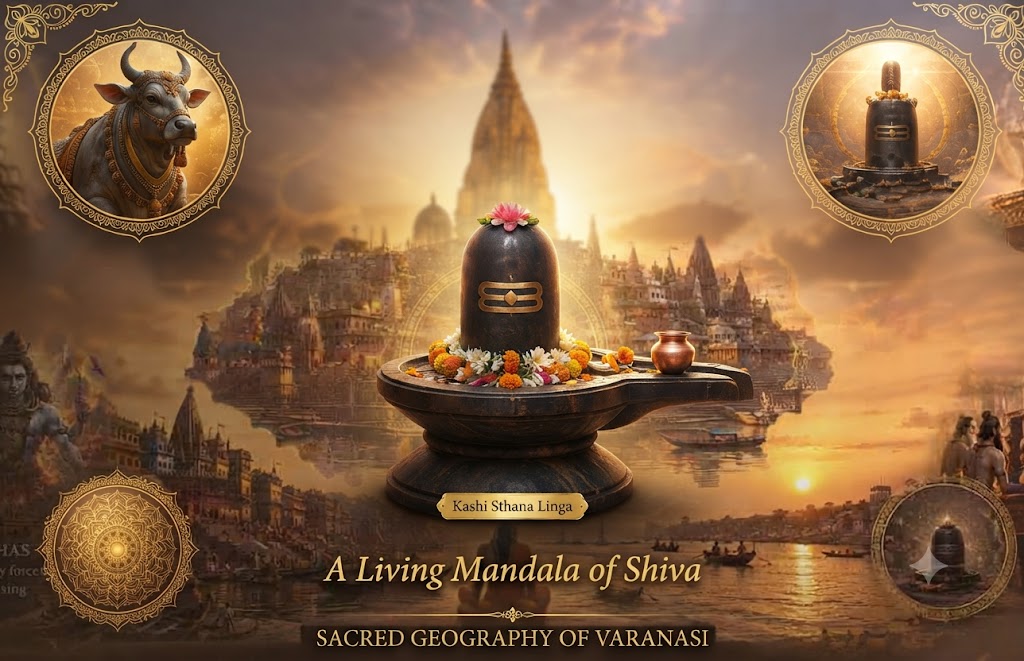
Beyond the main corridor, shrines such as Mrityunjay Mahadev, Kedareshwar, Tilbhateshwar, and Vriddhadeshwar dot the old lanes, offering devotees peaceful spaces for intimate prayers, healing rituals, and deep contemplation.
Sacred Shakti Traditions of Varanasi
Kashi is not only the city of Vishwanath; its sacred landscape is profoundly shaped by hundreds of manifestations of the Divine Mother. Preserved through the Kashi Khanda and living temple traditions, goddesses appear as cosmic guardians, Shaktis, Yoginis, and the revered Navagauris and Navadurgas.
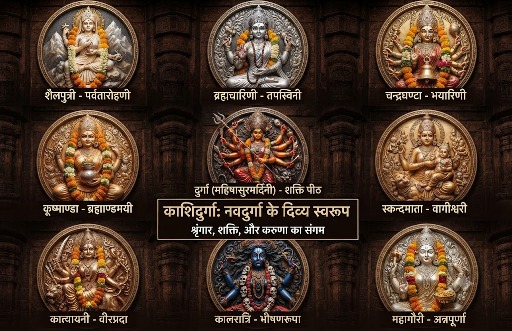
The sacred geography of Kashi is structured around several mystical assemblies and manifestations of the Divine Mother, deeply rooted in texts like the Kashi Khanda: Navagauri ,Navadurga ,Navachandi ,Navashakti ,Navamatrika ,Dashamahavidya ,Chausath Yogini
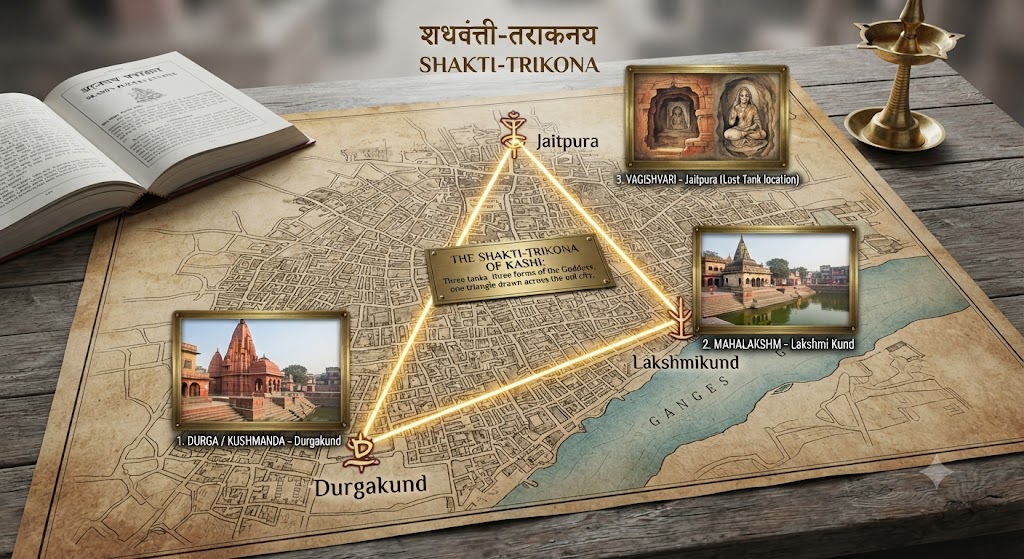
Visit monumental centers of Devi worship such as the Shri Vishalakshi Shaktipeeth at Mir Ghat, Annapurna Temple,Shri Mahalakshmi Gauri,Shri Durga Ji.
Cosmic Geography of Kashi
While Kashi is universally celebrated as the sacred city of Lord Shiva, its ancient landscape—meticulously mapped in texts like the Skanda Purāṇa (Kashi Khanda)—is an all-encompassing cosmic mandala housing major seats of Ganesha, Lord Vishnu, the Solar deities, and powerful guardian figures.
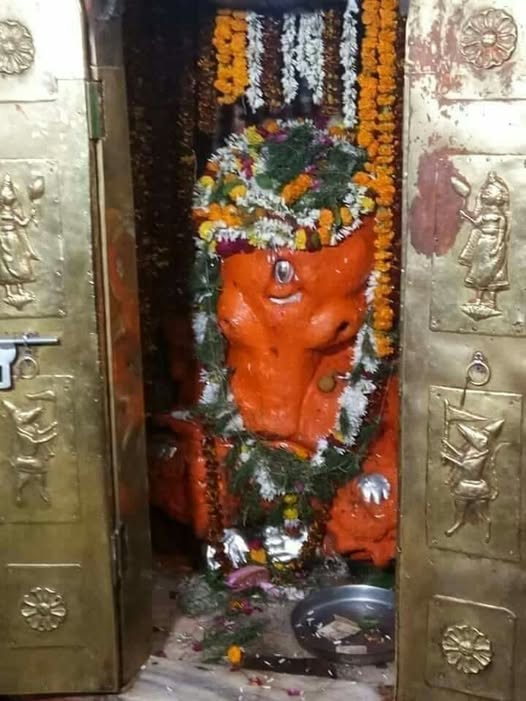
Kashi is protected by 56 Vinayakas distributed across eight sacred directional sectors, forming the mandatory protective grid (Ganapati Parikrama) for pilgrims.
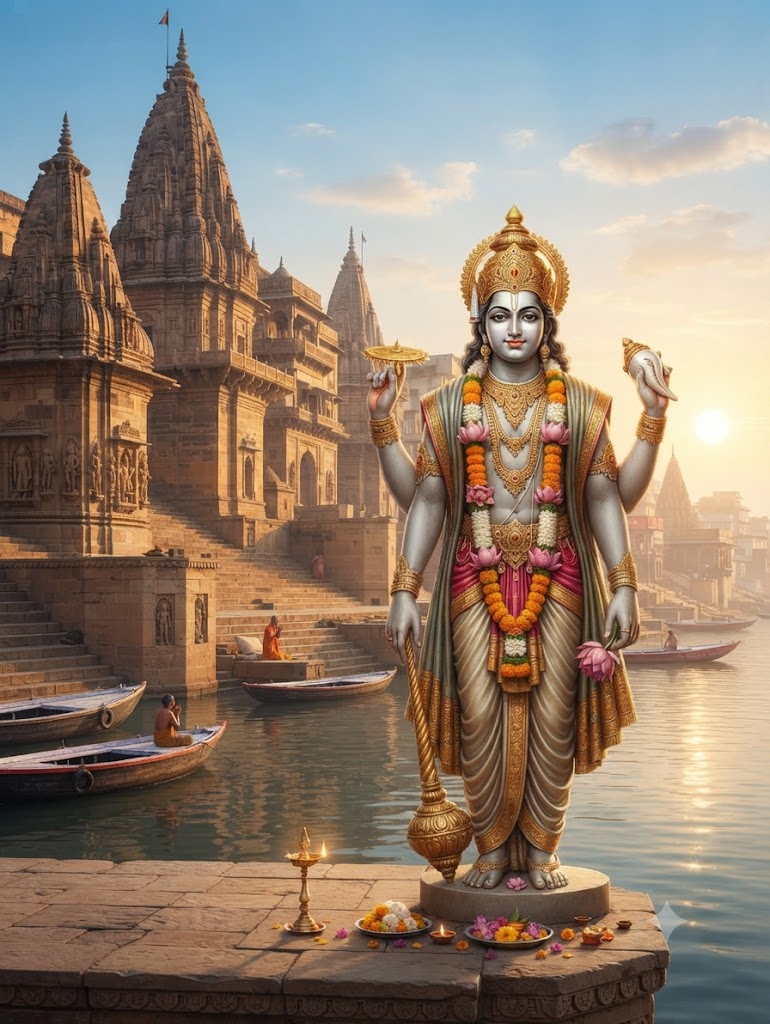
Long co-existing with its Shaivite traditions, Kashi is revered as Vishnupuri—a sacred realm encompassing 10 Madhavs, 15 Keshavs, and fierce protective avatar seats.
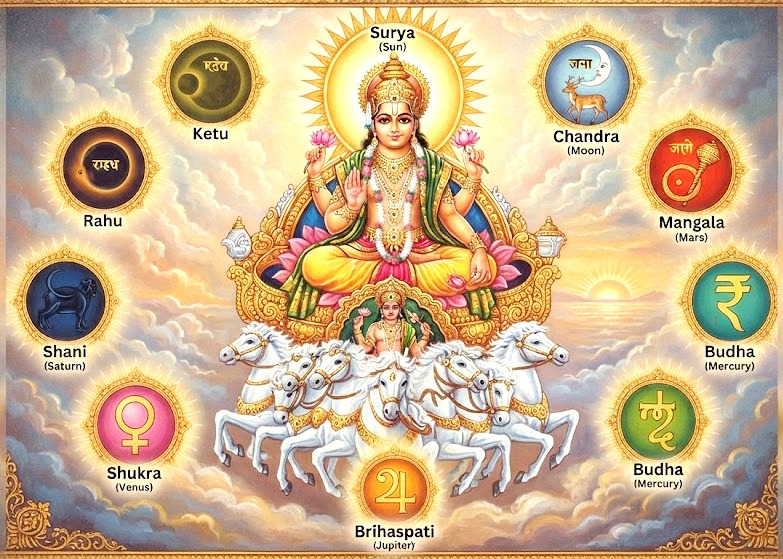
According to the Skanda Purāṇa, Surya Dev fractured his energy into twelve resplendent manifestations to protect Kashi, heal humanity, and dispel spiritual darkness.
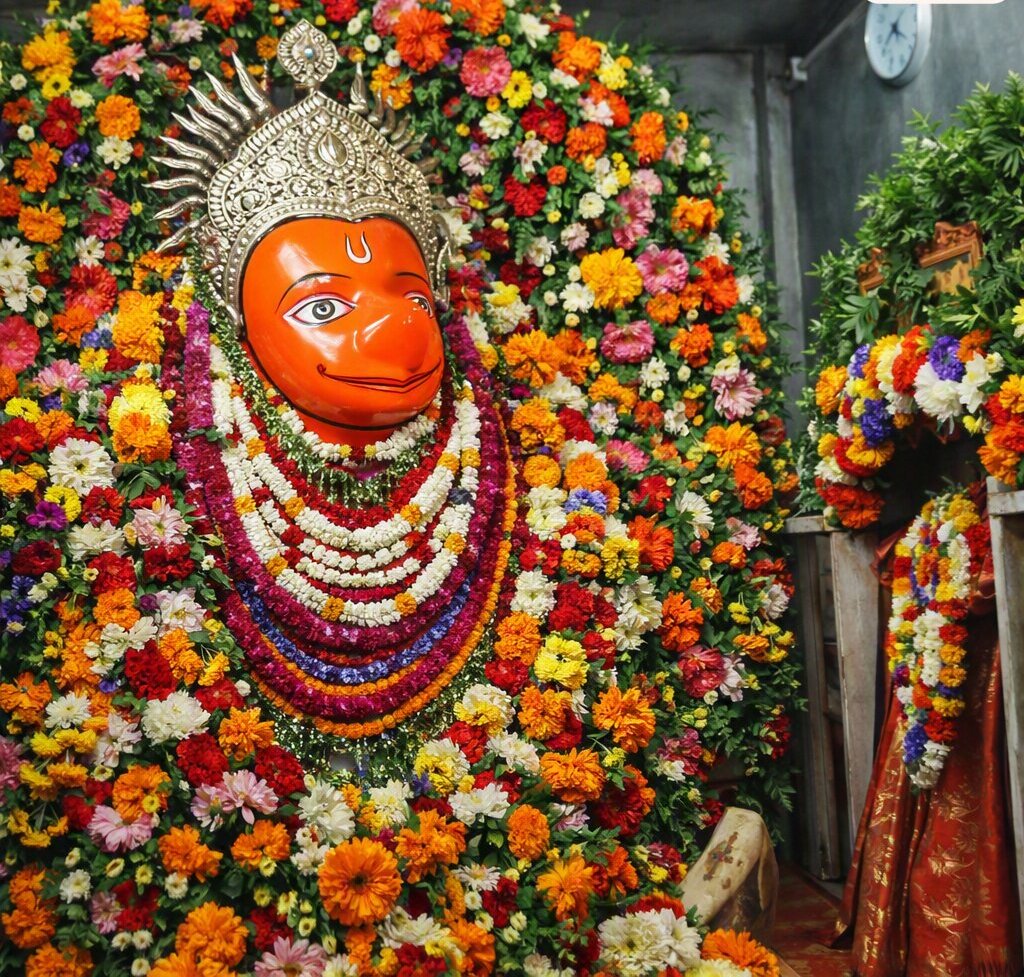
Hanuman holds a deeply revered place in Kashi as both an eternal devotee of Rama and a fierce guardian of the city's spiritual boundaries and inner peace.
Living Traditions & Annual Rhythms
Kashi is a living cultural landscape where centuries-old fairs, vibrant Shaivite celebrations, grand processions, and sacred river traditions shape the annual rhythm of Varanasi. Explore the major Lakhhi Melas, seasonal gatherings, and spiritual rituals detailed in the full [Kashi Melas and Festivals Guide]("kashi-melas-and-festivals.html")
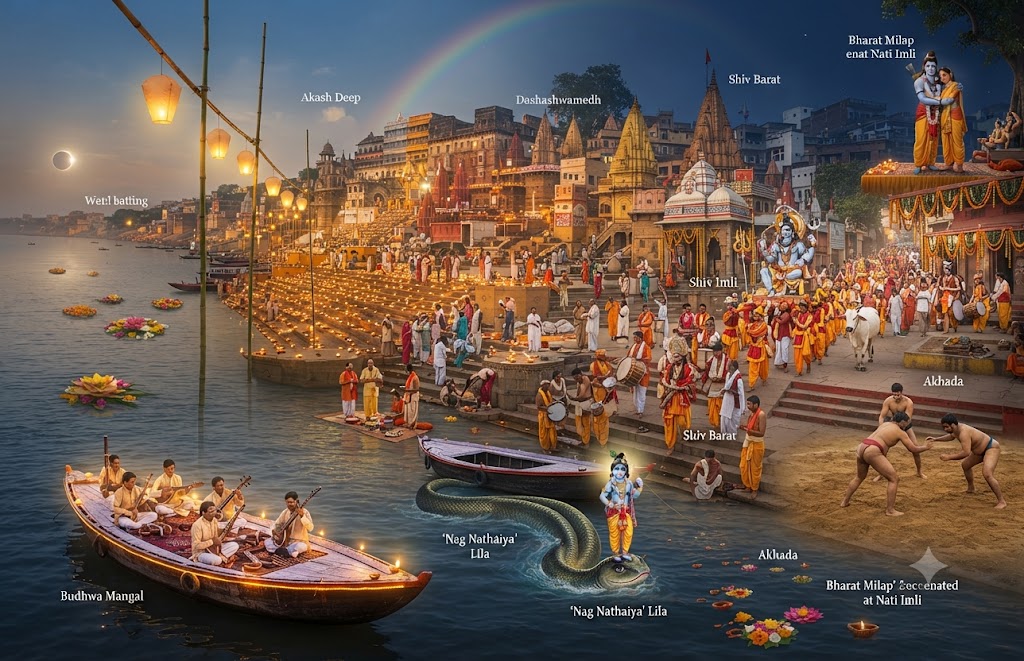
Details how fairs, festivals, dramatic re-enactments, processions, music, and sacred river traditions shape the annual calendar and spiritual rhythm of Varanasi. Varanasi's annual rhythm is defined by a vibrant tapestry of living traditions, massive public fairs, and sacred river rituals.
Local Crafts and Shopping
Varanasi's craft heritage spans centuries. Beyond world-renowned silk weaving, the ancient city is celebrated for artisanal wooden toys, intricate metal engravings, and iconic cultural delicacies.
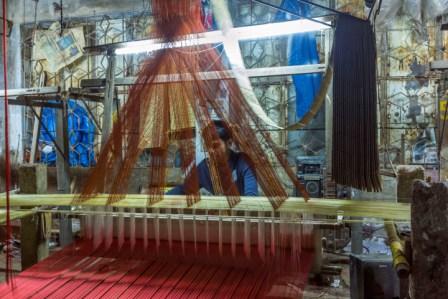
Famous worldwide for exquisite zari brocade work, fine gold and silver threads, intricate floral motifs, and timeless wedding elegance.

Elegant unstitched silk suits and magnificent matching dupattas woven with traditional patterns, offering everyday heritage luxury.
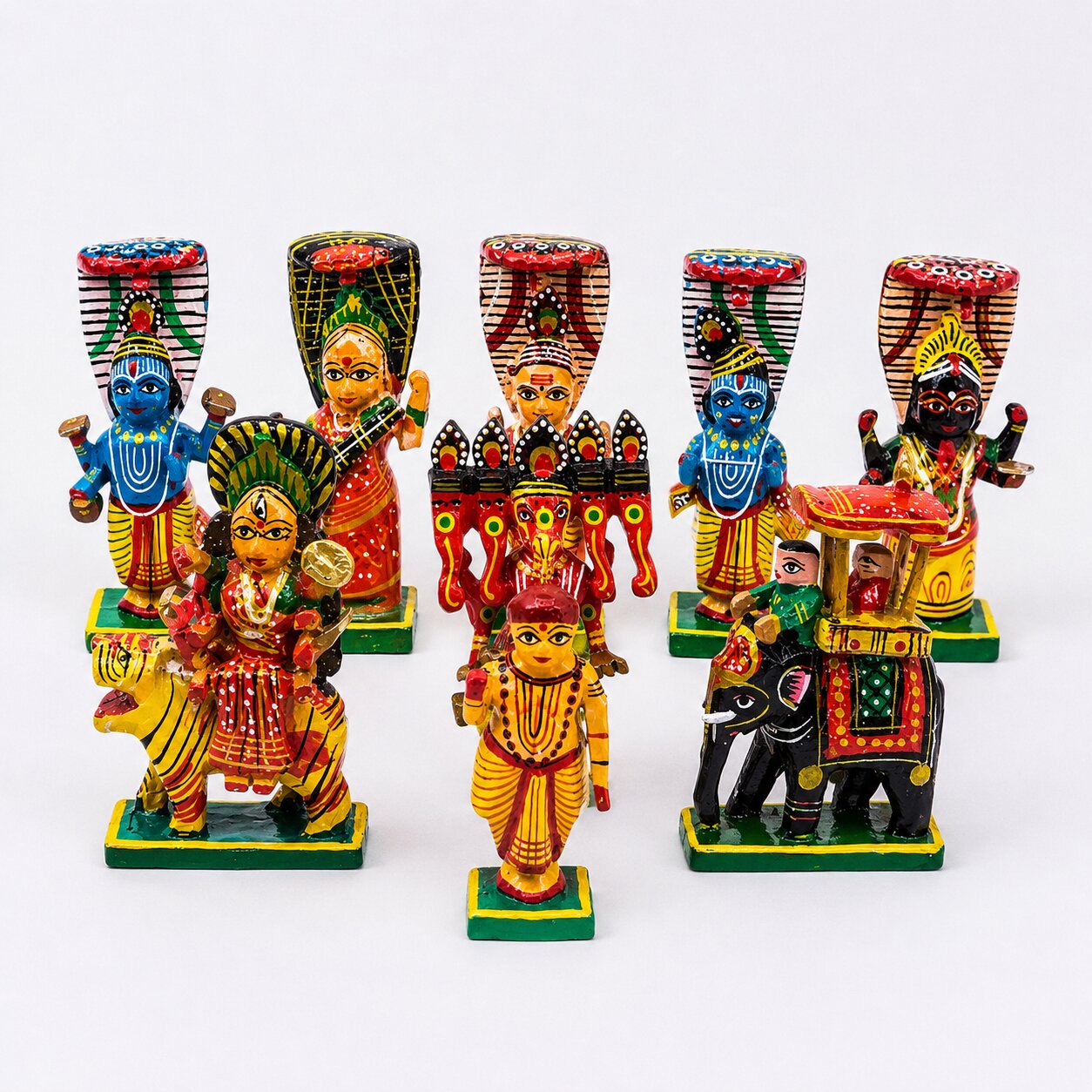
Bright, traditional toys handcrafted by local artisans using natural wood and coated with brilliant, non-toxic gleaming lacquer.
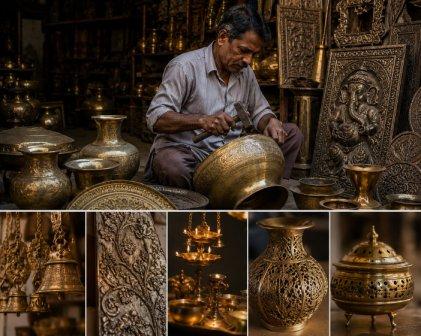
Exquisite religious artifacts, copperware items, and spiritual home decor reflecting generations of metallic engraving skills.
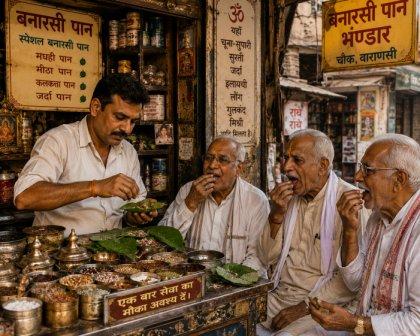
From the legendary sweet betel leaves (Paan) to specialized local handlooms, every artisan piece preserves a chunk of the city's living soul.
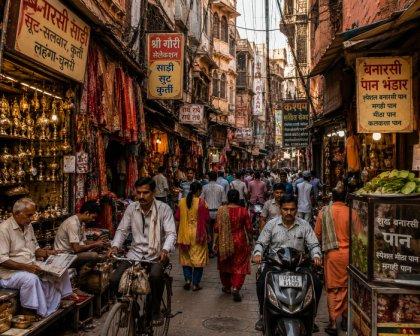
Explore Thatheri Bazaar, Chowk, or trusted government handloom stores. Ask clearly about materials: pure silk, katan, georgette, and zari purity standards.
Foods and Drinks
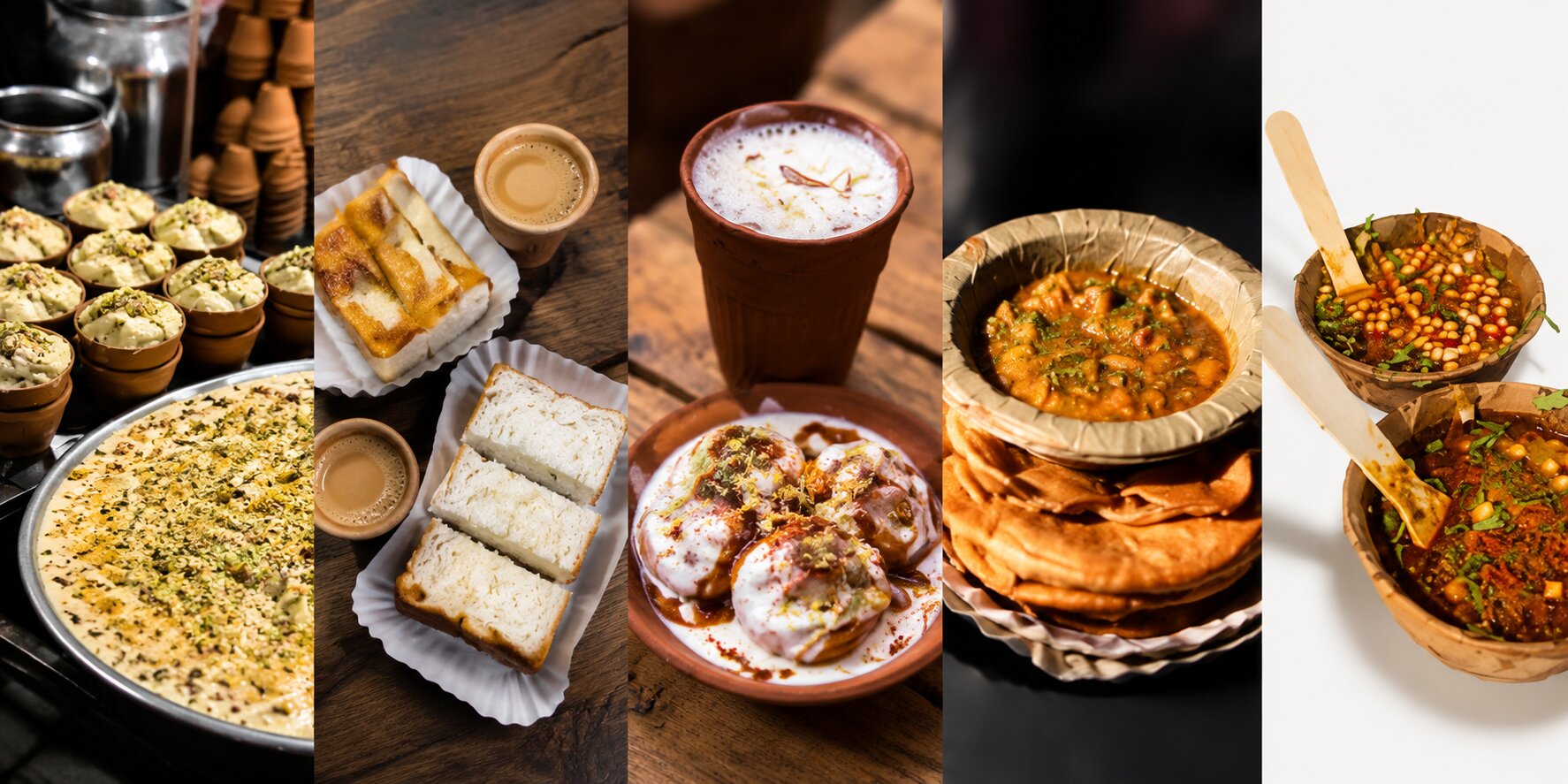
Breakfast classic. Try it fresh in the old-city lanes before the rush builds.
A spicy-sweet Varanasi chaat with tomato, masala, ghee, and crisp toppings.
A winter morning foam dessert, delicate and seasonal, usually sold in clay kulhads.
A cultural ritual after meals. Choose sada or meetha if you prefer a gentle version.
Cooling drinks served thick, sweet, and often topped with malai or dry fruits.
Best shared after a ghat walk when the lanes are glowing and shops are still busy.
Accommodation Price High to Low
Prices change by festival, weekend, and river view. Treat these as planning ranges and compare live booking apps before payment.
How to visit Varanasi
Sunrise boat ride, Kashi Vishwanath Temple, old-city breakfast, Vishwanath Gali, rest, evening Ganga Aarti, paan and chaat walk.
Day 1 follows the sacred highlights. Day 2 adds Sarnath, BHU and New Vishwanath Temple, silk shopping, and a calmer dinner near Assi.
Add Ramnagar Fort, hidden ghats, weaver lanes, wooden toy shops, a cultural music evening, and a slow final sunrise walk without rushing.
How to reach Varanasi
Fly to Lal Bahadur Shastri International Airport. From the airport, use prepaid taxi, app cab, or hotel pickup to reach the city.
Varanasi Junction, Banaras, Manduadih area, and nearby stations connect with major Indian cities. Book early during festivals.
Use buses, taxis, or self-drive routes from Lucknow, Prayagraj, Ayodhya, Patna, and Gorakhpur. Keep buffer time for city traffic.
Walk inside old lanes, use e-rickshaws for short hops, autos for wider movement, and boats for the riverfront experience.
Travel notes
Best season: October to March for cooler weather; winter mornings can be misty.
Respect: ask before photographing people, cremation ghats, ceremonies, and workshops.
Clothing: light cotton in summer, modest temple wear, comfortable sandals for lanes and steps.
Safety: keep valuables close in crowds, negotiate boat prices before boarding, and use filtered water.